The Living Edit / The Details

Decorative Accessories for the Home

The details that make it yours.

A vase with a pleasing outline, a tray that gives loose objects a home, a small piece that makes you look twice. Explore decorative accessories for shelves, consoles and coffee tables, with shapes and textures that bring character to the furniture you already own. A few good details can be enough.

Byard’s Boutique Proper Things for Everyday Life

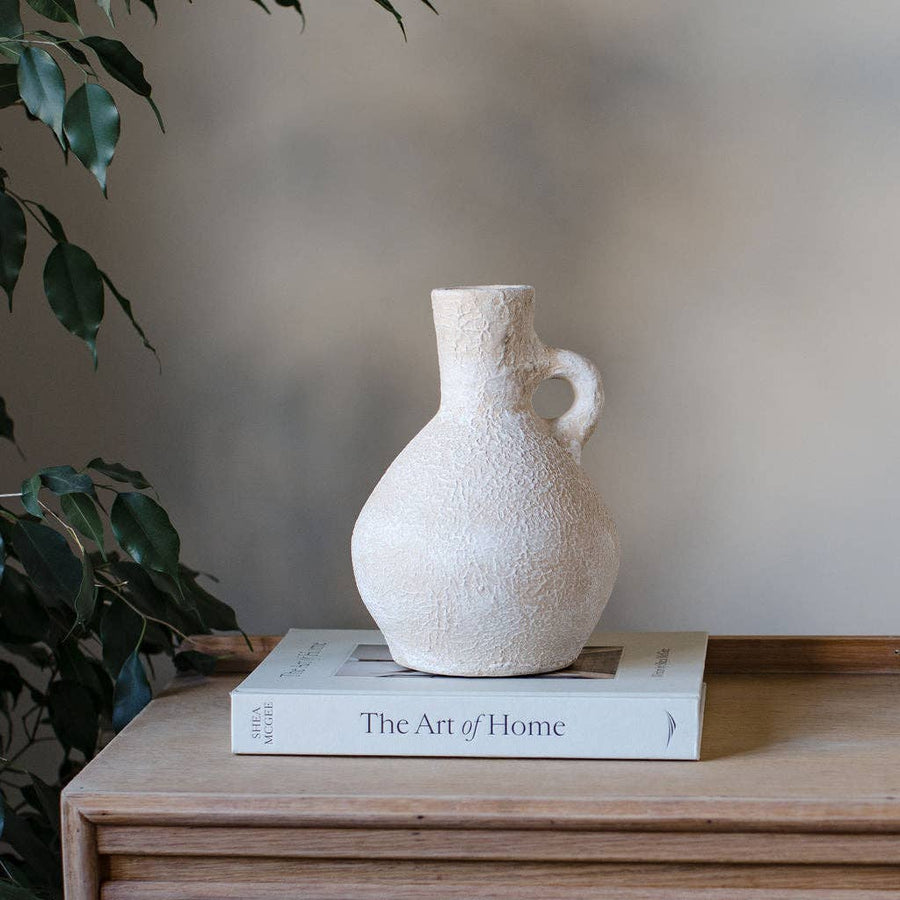
Wooden dresser with decorative items including a vase and book against a gray wall.
The Byard’s editTrays, vases and small objects with their own point of view.

Choose a focal piece

Let one shape or material lead, then give smaller objects a supporting role.

Leave useful clear space

A side table still needs room for a cup; a console may need somewhere for the day's post.

Check height and depth

Measure shelf clearance and furniture depth before choosing an accessory from a photograph.

Find your next proper thing

Decorative Accessories for the Home

Need a little guidance?
View as

A good place to begin

Explore a little further

The Living Edit / Notes

A surface should still be a surface

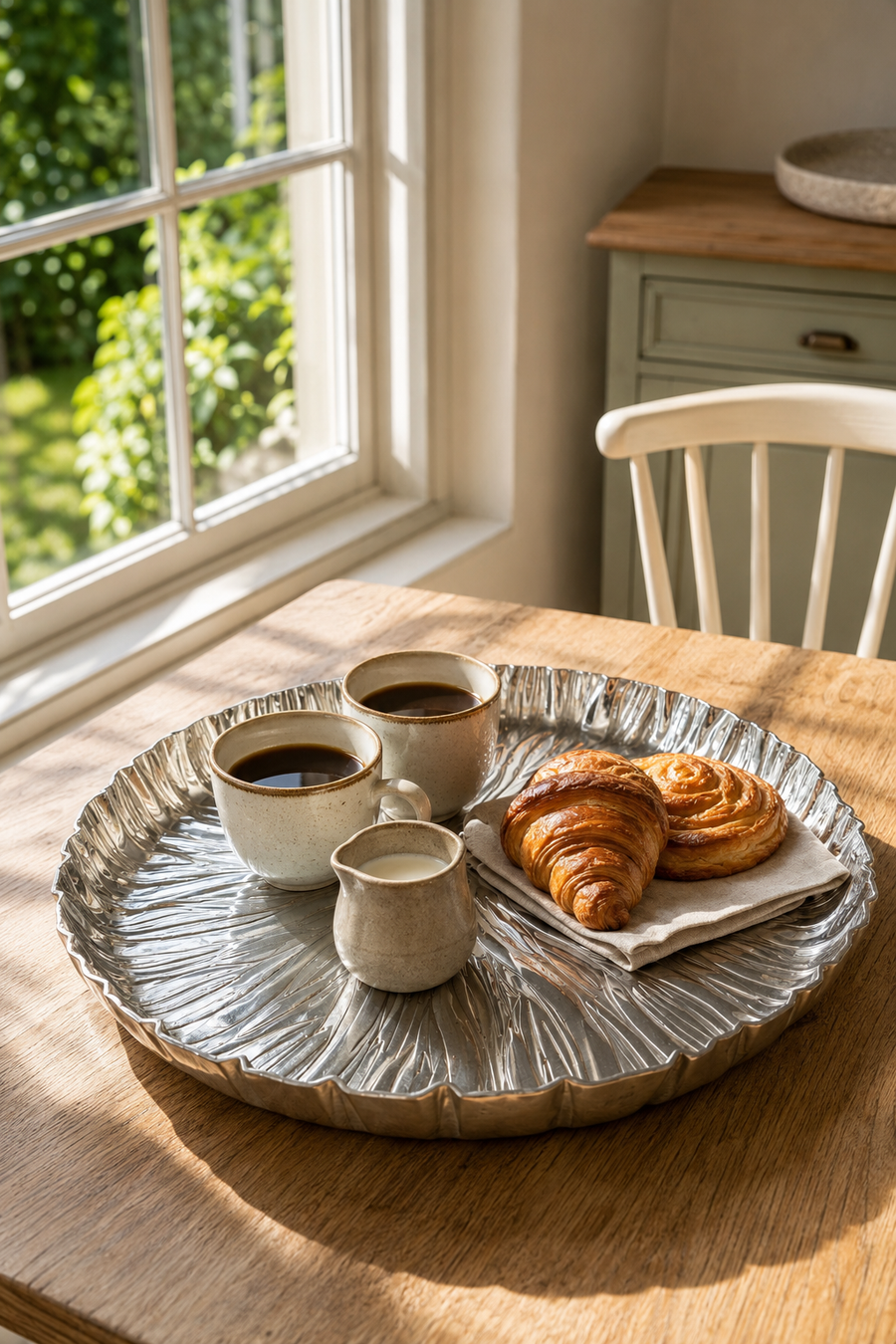
The coffee table has a job beyond looking good. Leave space to put something down, move a book or share a plate. A tray can gather the smaller objects while a vase provides height, but neither needs to occupy every inch. Step back and look at the empty space as part of the arrangement. It is often the detail that makes your chosen pieces easier to see and the room easier to use.

The Living Edit / Notes

Find a thread, not a matching set

A room can connect through small repetitions: a green picked up in a print, a curved edge echoed by a vase, a warm wood tone appearing twice. The objects themselves can be quite different. Choose pieces you would enjoy individually, then look for that quiet thread between them. Our vases offer a useful starting point because their outline brings something to a shelf even when there are no flowers to arrange.

The Byard’s choosing guide

The art of knowing what to leave out

Choose accessories in relation to the whole surface, not just one another. A tall vase needs space around its outline; a small object benefits from a clear background. Leave part of the shelf or table empty so the arrangement remains readable.

Back to the collection
How do I style accessories without creating clutter?

Start with one larger piece and only add smaller items that contribute a different height, shape or purpose. Keep part of the surface clear and remove anything that feels lost in the group. An arrangement should still allow you to use the table or reach the books behind it.

Do decorative accessories need to match the furniture?

They need a relationship, not an identical finish. Try a shared colour or a contrast that you enjoy, such as a curved vase against straight shelving. Repeating one material elsewhere in the room can help the new piece settle in without buying a matching collection.

Which accessories work on a small console table?

Choose pieces with a footprint that leaves the surface usable and does not overhang. A narrow vase or compact tray may work, depending on the table's dimensions. Check the view from the doorway too: one clear outline can read more strongly than a row of tiny objects.