The Living Edit / A Softer Glow

Decorative Lighting for the Home

Small lights. A different evening.

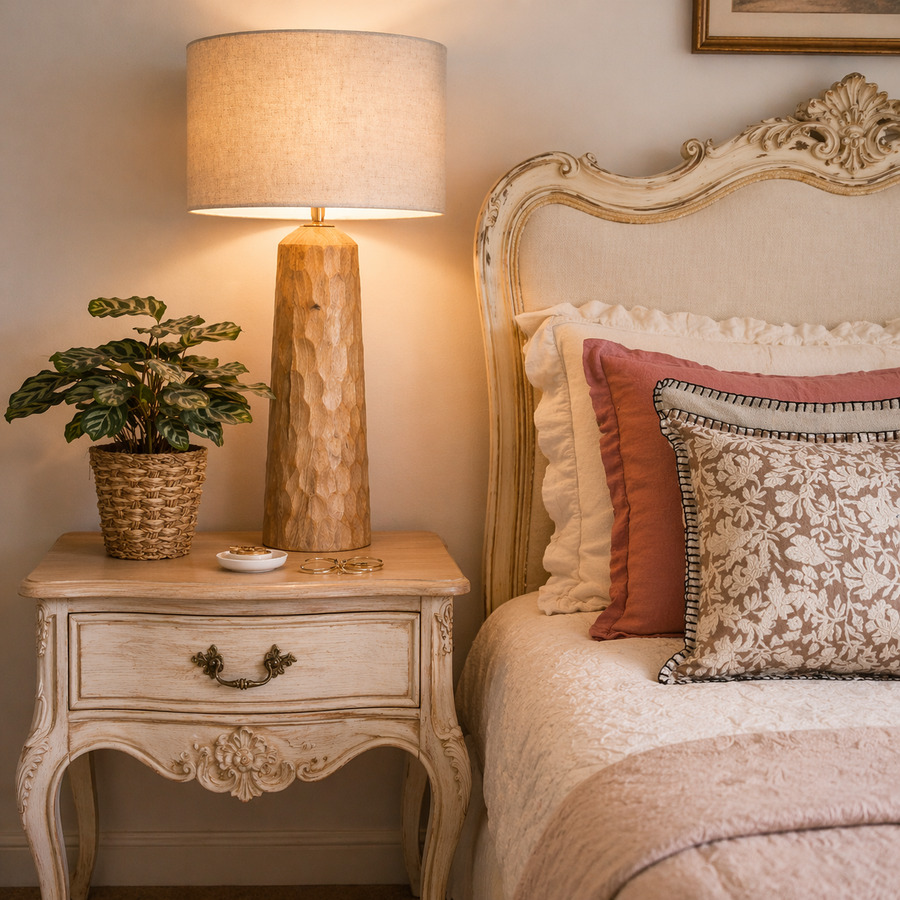
Not every light needs to fill a room. Decorative lighting can give a sideboard a softer presence or make an overlooked corner part of the evening. Explore pieces chosen for their appearance and atmosphere, while checking the power source, dimensions and intended setting of the individual design before finding its place.

Byard’s Boutique Proper Things for Everyday Life

Set of four wooden lights on a wooden surface.
The Byard’s editDecorative points of light to accompany the room's main lamps.

Choose the setting first

A shelf, sideboard and open floor position need different sizes and clearances.

Check the power source

Confirm whether the light uses mains power, batteries or another stated arrangement.

Keep task light separate

Use suitable lighting for reading and close work; a decorative glow may not provide enough light.

Find your next proper thing

Decorative Lighting for the Home

Need a little guidance?
View as

A good place to begin

Explore a little further

The Living Edit / Notes

Look at the room after dark

Daylight can hide the corner that feels absent in the evening. Before adding decorative lighting, spend a moment in the room with the lamps you normally use. Notice where a smaller glow might make the space feel more connected. One well-placed piece can be enough. Check its power requirements and placement guidance, and keep the purpose clear: this is a point of atmosphere, not necessarily the light for a close-up task.

The Living Edit / Notes

Let each light have a job

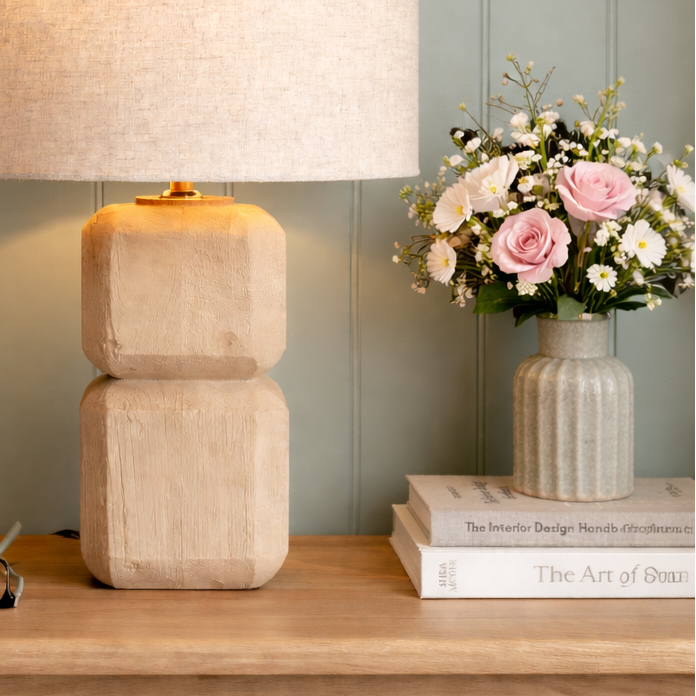
A room becomes more flexible when its lights do different things. A suitable table lamp may serve a reading chair, while a decorative piece gives a sideboard presence from across the room. There is no need for every light to share the same shape or brightness. Explore table lamps for the practical positions first, then choose decorative lighting where a further point of interest genuinely adds to the evening setting.

The Byard’s choosing guide

Place the glow where it adds something

Look around after dark before choosing another light. The room may need a low point of interest rather than more general brightness. Choose a position with suitable clearance and power access, then let the decorative light support the lamps already there.

Back to the collection
Where does decorative lighting work best?

Choose a position where a smaller point of light contributes to the room, such as a suitable sideboard or corner. Check the product's required clearance and keep cables out of walkways. Shelves and enclosed positions are only appropriate when the manufacturer's instructions permit them.

Does decorative lighting need a plug socket?

That depends on the individual product. Check the stated power source and what is included before ordering. For battery-operated designs, confirm the battery type and whether batteries are supplied; for mains-powered pieces, plan a suitable nearby socket without creating a trailing cable across the room.

Can decorative lighting replace a table lamp?

It can sometimes replace a purely atmospheric light, but it should not automatically replace a lamp used for reading or close work. Compare the useful light output and intended use, not just the decorative effect shown in the photograph. Keep a suitable task light wherever an activity needs one.