The Living Edit / After Daylight

Table Lamps & Decorative Home Lighting

Light the part of the room you love.

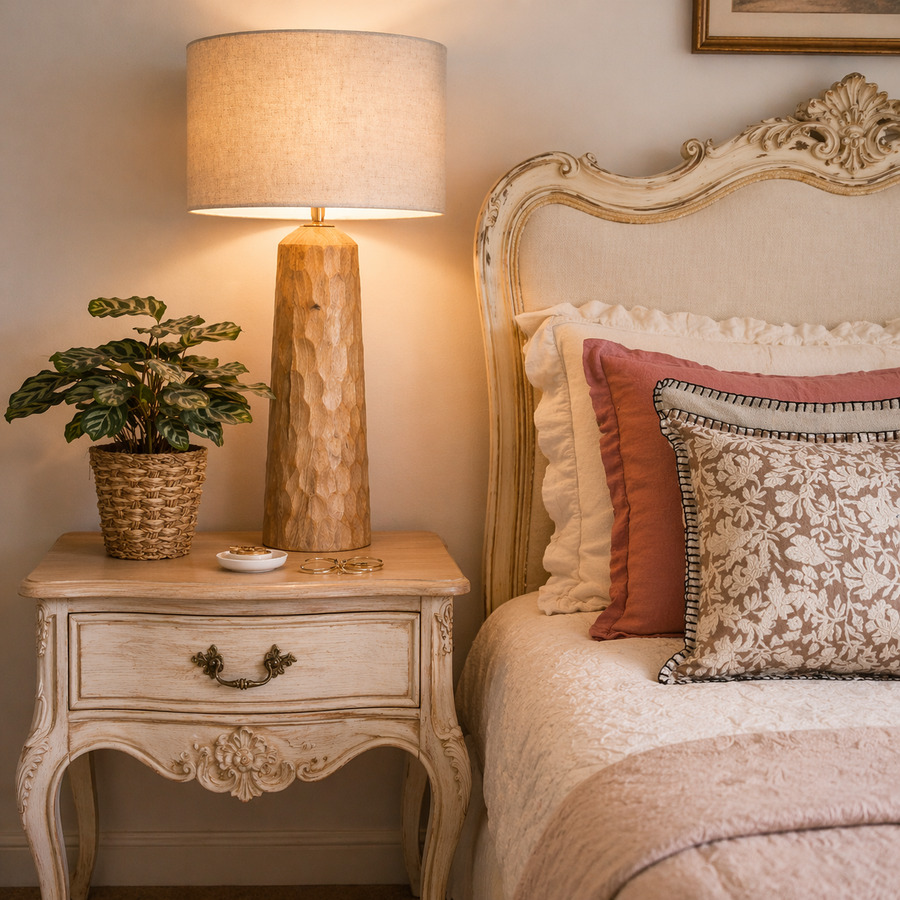
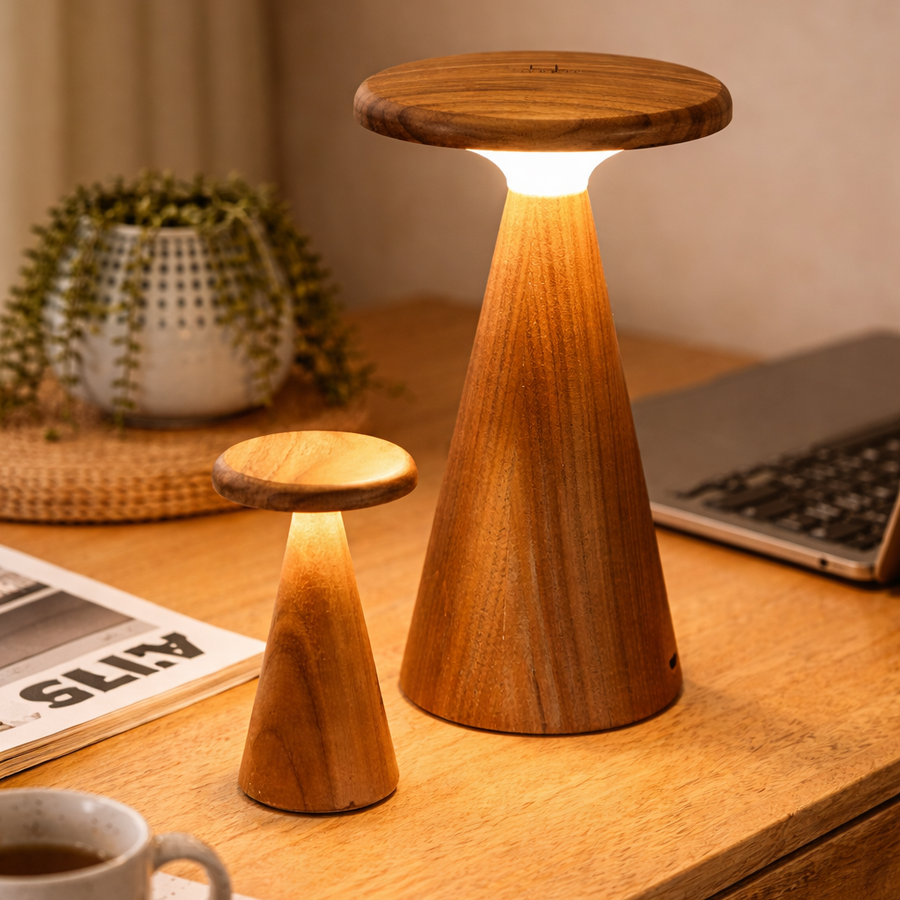
A room changes when the light moves closer. Explore table lamps and decorative lighting for a reading corner, bedside or sideboard, with pieces that contribute as much in daylight as after dark. Choose around the light you need, the space available and the details of the individual lamp.

Byard’s Boutique Proper Things for Everyday Life

Beige table lamp on a wooden surface with books and flowers in the background.
The Byard’s editTable lamps and decorative light for the room's quieter hours.

Decide what the light does

Reading and background atmosphere are different jobs; choose brightness and shade style accordingly.

Measure base and shade

The widest shade can take more room than the base, especially beside a bed or on a narrow console.

Read the electrical details

Check power source, bulb requirements, included parts and indoor or outdoor suitability.

Find your next proper thing

Table Lamps & Decorative Home Lighting

Need a little guidance?
View as

A good place to begin

Explore a little further

The Living Edit / Notes

Start at the chair, not the ceiling

The most useful lighting plan begins with the places where you spend time. Look at the reading chair, the bedside and the table used for a quiet evening task. Each may need a different height or direction of light. A room does not have to be lit evenly from one central source. Choose suitable lamps for those individual positions and check their dimensions, power needs and bulb guidance before thinking about decorative additions.

The Living Edit / Notes

Choose a lamp in daylight too

A lamp spends much of the day switched off, so its base, shade and proportions matter alongside its light. Look at it in relation to the furniture beneath: a broad shade needs breathing room, while a small lamp can disappear on a large sideboard. Explore table lamps for the room's main lower-level lights, then add a decorative piece only where a further point of interest has a clear place.

The Byard’s choosing guide

Build light around the way you live

Start with one activity or position: the chair where you read, the bedside you reach from or a dark corner after sunset. Choose a suitable light for that job, then use smaller decorative sources to support the room's atmosphere.

Back to the collection
What is the difference between task and decorative lighting?

Task lighting needs to provide enough suitable light for an activity such as reading. Decorative lighting is chosen primarily for appearance and atmosphere. Some lamps can contribute to both, but the shade, bulb and position matter; do not assume every decorative light will illuminate a book comfortably.

How do I know which bulb a lamp needs?

Read the individual lamp's fitting, bulb type and maximum rating, then check whether a bulb is included. Dimming compatibility must also be confirmed for the lamp, control and bulb together. Avoid choosing by appearance alone, since bulbs that look similar may have different fittings or requirements.

Can indoor decorative lights be used in the garden?

Only if the product is specifically rated and instructed for that outdoor use. An indoor lamp is not made suitable for weather simply by placing it beneath a canopy. Check the product's location guidance, power arrangement and any protection requirements before choosing lighting for an outdoor space.